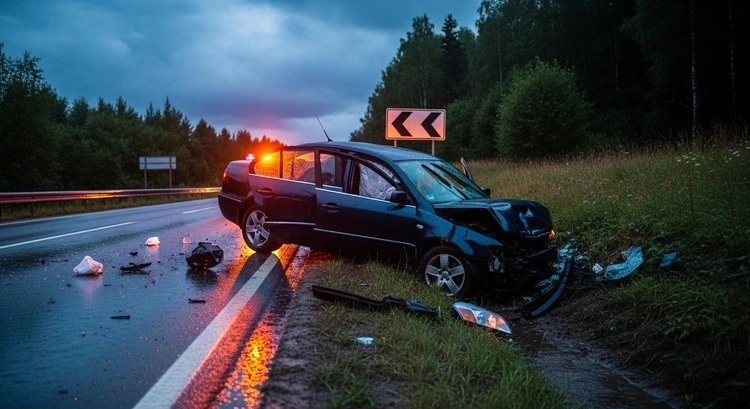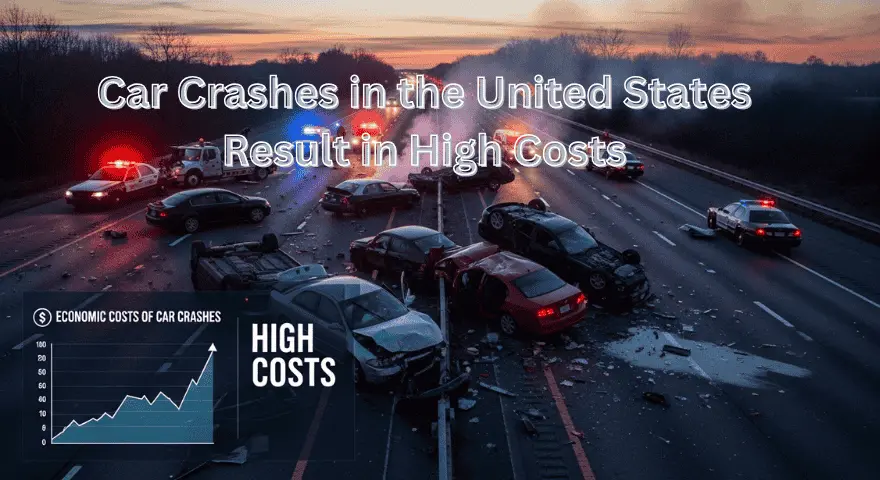
Every day, thousands of collisions happen on American roads. While the immediate focus is always on human safety, the financial aftermath is staggering. The National Highway Traffic Safety Administration (NHTSA) reports that motor vehicle crashes cost the United States hundreds of billions of dollars every single year.
But where exactly does all that money go? The financial impact goes far beyond just fixing a dented bumper. These expenses are spread out across direct medical bills, massive property damage, and hidden economic losses that affect drivers, businesses, and taxpayers alike.
Overview of Car Crash Costs in the United States
When economists look at the financial burden of traffic accidents, they divide the expenses into two main buckets. First, we have direct economic costs. These include the actual bills people pay out of pocket, such as vehicle repairs, medical care, and legal fees.
Second, there are comprehensive costs. This broader category puts a dollar amount on lost quality of life, pain, and suffering. Insights from Vehicleaccidentinjury.com show that when you combine both, the total cost of car accidents in the US climbs into the trillions. To understand this massive financial hit, we need to break down the specific areas where these costs occur.
Direct Financial Costs: The Immediate Expenses
The moment two vehicles collide, the financial clock starts ticking. Direct financial costs are the highly visible, immediate expenses that victims and insurance companies must handle right away.
Medical and Healthcare Expenditures
Medical care is usually the largest and most urgent expense following an accident. Emergency services arrive on the scene, leading to ambulance fees and emergency room admissions. Doctors quickly order expensive diagnostic tests like X-rays, MRIs, and CT scans.
For victims suffering from severe trauma, such as spinal cord injuries, broken bones, or traumatic brain injuries, the hospital medicine expenses skyrocket. Even after leaving the hospital, many patients face months of physical therapy and need long-term emergency medications. For uninsured or underinsured drivers, these out-of-pocket expenses can quickly lead to crippling medical debt.
Property Damage and Vehicle Repair Costs
The most obvious damage at any crash scene is the wrecked vehicles. Today’s cars are basically computers on wheels. They feature advanced technology like backup cameras, lane-keeping sensors, and radar units built straight into the bumpers. Because of this, even minor fender benders require specialized labor and recalibration, pushing vehicle repair costs higher than ever.
If the repair costs exceed the car’s actual value, the insurance company declares it a total loss. This creates a severe financial strain, especially for drivers who lease their vehicles. For instance, car lease agreements come with a stipulation that you must pay a penalty if you terminate the contract early, which often happens when a leased car is destroyed, and the driver lacks gap insurance.
Damage to Public and Private Infrastructure
Cars do not always stay on the road during a crash. They frequently take out public infrastructure along the way. Highway barriers, guardrails, utility poles, and traffic lights are often destroyed in high-speed collisions.
Local municipalities must fix these items quickly to keep the roads safe. Taxpayers usually fund these repairs upfront. While local governments try to recover these costs through the at-fault driver’s insurance claims, that process takes time. Additionally, out-of-control vehicles can crash into private property, destroying residential fences, crime walls, and storefronts.
Emergency Response and Scene Cleanup
Every accident requires a coordinated public response. Police officers must manage the scene and redirect traffic. Firefighters deploy to rescue trapped passengers, while medical teams provide urgent care.
Once the victims are safe, tow trucks haul away the damaged vehicles. Finally, specialized cleanup crews must remove hazardous materials like shattered glass and fuel spills. Funding this entire emergency response takes a heavy toll on local government budgets.
The Hidden and Indirect Costs
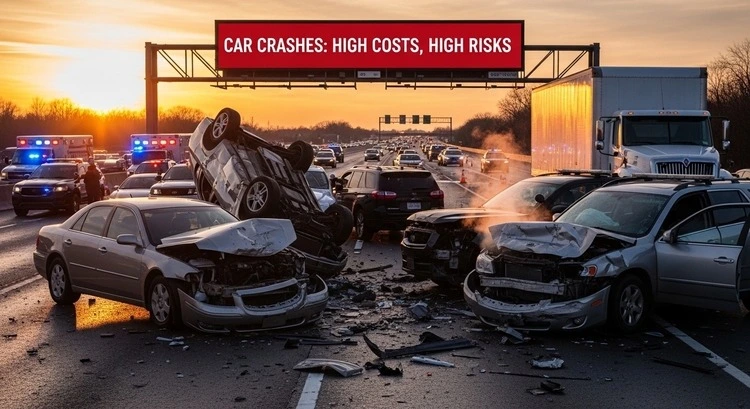
While tow truck fees and hospital bills are easy to track, car crashes also create a wave of indirect expenses. These hidden costs quietly drain bank accounts and hurt the broader economy.
Lost Wages and Reduced Productivity
When a person gets hurt in a crash, they cannot go to work. Missing days, weeks, or even months of work means an immediate loss of income. For hourly wage earners, these missed earnings make it incredibly difficult to pay rent and buy groceries.
Furthermore, businesses suffer a serious drop in workplace productivity. Employers lose experienced staff members and must spend extra money hiring temporary workers or paying overtime to cover the shift.
Legal, Court, and Administrative Costs
When a fault is heavily debated, the legal bills start piling up fast. The aftermath of a serious collision heavily involves the legal and insurance systems. Insurance companies spend millions on claims processing and administrative overhead. Meanwhile, victims often hire personal injury attorneys to help them navigate complex settlements. Resolving these disputes requires court filing fees, expert witnesses, and months of legal back-and-forth. Even when cases settle outside of a courtroom, the administrative burden costs the economy billions.
Traffic Congestion and Environmental Impact
A single crash on a busy highway creates a massive bottleneck. This traffic congestion carries a surprisingly high price tag. When lanes close, delivery trucks miss their schedules, and thousands of commuting workers lose valuable time. Economists assign a real dollar value to this lost time. Furthermore, thousands of idling vehicles burn wasted fuel and release excess emissions into the air. This sudden spike in air pollution creates long-term environmental and public health costs.
The Ripple Effect: Insurance and Personal Finance
The financial shockwave of a collision eventually hits everyone’s wallet. Long after the tow trucks clear the scene, the economic ripple effect continues to drain personal finances.
Rising Insurance Premiums, Claims, and Deductibles
Filing a claim usually means paying an out-of-pocket deductible right away. Depending on the policy, this can range from a few hundred to over a thousand dollars. On top of that, drivers involved in crashes almost always see a sharp increase in their insurance premiums. A single accident can inflate your monthly rates for years. Furthermore, the massive volume of daily crashes forces insurance companies to raise base rates for all drivers nationwide.
Who Ultimately Pays the Bill?
Many people assume the at-fault driver’s insurance covers everything. In reality, society shares the burden. Insurance companies pay a large portion through settlements. Victims pay through deductibles, uncovered medical treatments, and lost income. Finally, every day, taxpayers foot the bill for emergency response teams, road repairs, and public healthcare programs.
Impact on Families and Mental Health
The human toll of a traffic accident carries its own heavy price tag. Beyond the crushed metal and medical invoices, the psychological impact deeply affects families.
Emotional Trauma and Financial Stress
Survivors frequently experience anxiety, depression, and Post-Traumatic Stress Disorder (PTSD) after a severe wreck. Treating these mental health struggles requires ongoing therapy and medication, which adds to the family’s out-of-pocket expenses. At the same time, sudden medical debt and lost wages create immense financial stress at the family level. This pressure often forces families to cut back on essential needs or take on high-interest debt, fundamentally altering their long-term quality of life.
Why These Costs Persist and What Can Be Done
Fortunately, these overwhelming expenses are not entirely inevitable. Communities can lower the financial burden of car crashes through proactive safety measures.
Stricter Enforcement and Public Awareness
Human error drives the vast majority of collisions. Speeding, impaired driving, and distracted driving are the main culprits. Stricter enforcement of traffic laws saves lives and money. Visible police presence and sobriety checkpoints actively change driver behavior. Paired with public awareness campaigns that educate young drivers about road safety, communities can drastically reduce crash rates.
Better Road Design and Vehicle Safety Technology
Safer roads prevent accidents before they ever happen. Upgrading infrastructure with better lighting, protected turn lanes, and roundabouts requires upfront investment but saves taxpayers money in the long run. Additionally, modern vehicle safety technology is changing the game. Features like automatic emergency braking and blind-spot monitoring help drivers avoid collisions entirely, lowering medical and repair costs across the board.
FAQs
People often have specific questions about how collisions impact the economy and the legal system. Here are a few common inquiries.
What is the leading cause of car accidents in the USA?
Distracted driving is the leading cause of accidents nationwide. Texting, adjusting navigation systems, and looking at in-car screens pull a driver’s attention away from the road, leading to severe and highly preventable crashes.
Do all car crash cases go to court?
No, the vast majority of car crash cases never see a courtroom. Insurance companies and personal injury attorneys usually negotiate private settlements because formal trials are expensive, time-consuming, and risky for everyone involved.
Conclusion
Car crashes in the United States create an enormous financial burden that reaches far beyond the initial point of impact. From urgent hospital medicine expenses and total vehicle losses to hidden productivity drops and rising insurance premiums, these costs affect every corner of society. However, by investing in smart infrastructure, embracing vehicle safety technology, and committing to distraction-free driving, we can prevent these accidents. Protecting lives on the road ultimately protects our financial future as well.