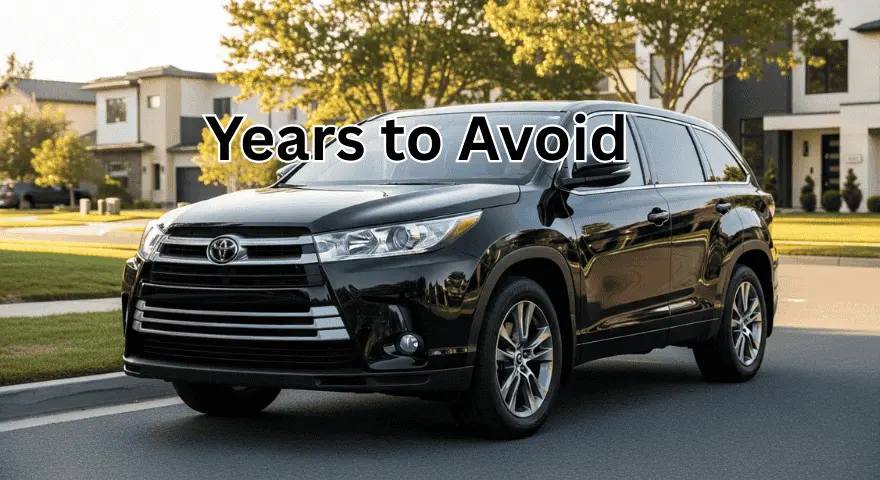
The Toyota Highlander is a top choice for families needing a reliable, spacious midsize SUV. However, not every model year lives up to Toyota’s legendary reputation for bulletproof durability. Some specific years suffer from costly engine failures, transmission slipping, and frustrating electrical glitches.
If you want to protect your wallet and enjoy a stress-free ownership experience, knowing the worst Toyota Highlander years to avoid is essential. Let’s dive into the reliability data, owner complaints, and mechanical history to help you make a smart purchase.
Comparing Toyota Highlander Generations to Find the Sweet Spot
Toyota has heavily updated the Highlander since its debut. Understanding these generational changes helps you spot which eras offer the best long-term reliability and which ones give owners continuous headaches.
First Generation (2001–2007)
Toyota launched the Highlander as a comfortable, car-like alternative to rugged, truck-based SUVs. These early models were simple and tough. While the final years of this generation hold up incredibly well, the earliest versions now show their age. They frequently suffer from worn suspension parts and serious engine bolt issues that lower their overall lifespan.
Second Generation (2008–2013)
This generation brought a major redesign. Toyota gave the SUV a larger footprint, a roomier cabin, and a more powerful V6 engine. Unfortunately, early models in this lineup experienced serious growing pains, including leaky oil cooler lines that threatened engine health. Thankfully, Toyota fixed these mechanical flaws by the end of the generation, making the 2011 to 2013 models solid used options.
Third Generation (2014–2019)
The third generation introduced aggressive styling and a heavy focus on modern tech features. Families loved the addition of the Toyota Safety Sense system and better fuel efficiency. However, early buyers dealt with buggy infotainment systems and rough-shifting transmissions before Toyota smoothed things out in the later years of this cycle.
Fourth Generation (2020–Present)
The current Highlander offers a bold new look, advanced driver-assistance systems, and excellent hybrid options. While this generation is highly advanced and features great unibody construction, the initial 2020 rollout saw a spike in owner complaints regarding early transmission hesitation and software bugs.
Toyota Highlander Years to Avoid Due to High Repair Costs
Buying a used car always carries some risk, but certain model years carry much more than others. NHTSA complaint data and owner reports clearly highlight specific years that suffer from severe mechanical failures. Here are the exact models you should skip.
2001–2003 Models
You should entirely avoid the earliest Highlanders. These models are notorious for stripped engine bolts, which directly cause severe coolant leakage and engine overheating. Many owners also reported excessive oil sludge buildup. Fixing these core engine problems often costs thousands of dollars, making these older models a risky financial trap.
2008 & 2010 Models
The 2008 redesign looked great but introduced massive reliability issues. A major flaw involved the oil cooler lines. These lines frequently ruptured, draining the engine oil rapidly and destroying the engine if the driver did not pull over immediately. Additionally, owners reported loud engine rattling noises and frustrating airbag recalls. The 2010 model continued to struggle with similar complaints, keeping it strictly on the “do not buy” list.
2014–2015 Models
The 2014 and 2015 Highlanders suffer from distinct drivability and technology issues. Drivers frequently complain about bouncy shifting and transmission hesitation, especially at lower speeds. Inside the cabin, the infotainment system is known to freeze or lag severely. You might also encounter error codes related to lean fuel mixtures, which can damage the catalytic converter if ignored.
2020 Models
As the first year of the fourth generation, the 2020 Highlander experienced the classic “first-year bugs.” Owners primarily reported rough gear changes and hesitation from the new transmission setup. Additionally, buyers faced annoying glitches with the newly updated tech interfaces and backup cameras. It is much safer to buy a slightly newer model where Toyota resolved these initial manufacturing kinks.
Common Mechanical Issues Found in Problematic Highlander Models
Identifying recurring defects helps you avoid expensive trips to the mechanic. The most severe Highlander problems fall into three main categories that buyers must watch out for.
Engine Overheating and Stripped Bolts
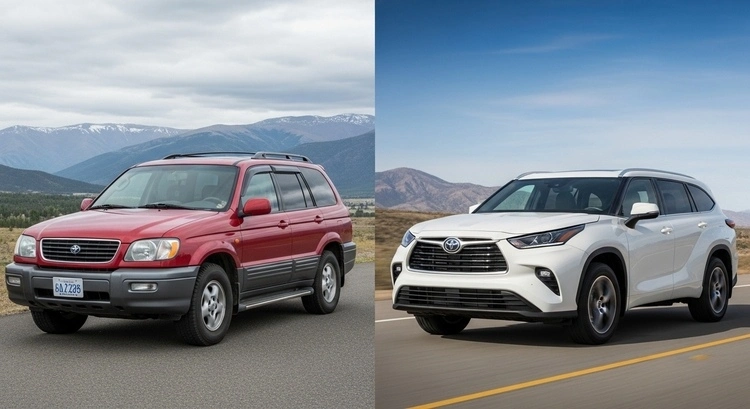
Early 2000s models suffer from stripped engine bolts. This factory defect causes massive coolant leaks, leading directly to engine overheating and catastrophic failure. Repairing this requires extensive engine work.
Transmission Slipping and Rough Shifting
The 2014 and 2020 models frequently exhibit transmission hesitation. Drivers report rough shifting and bouncy acceleration. This defect drastically reduces ride comfort and eventually requires costly transmission rebuilds or replacements.
Electrical and Infotainment Glitches
Modern Highlanders, particularly the 2015 and 2020 editions, struggle with internal tech bugs. Owners deal with laggy touchscreens, frozen infotainment software, and malfunctioning backup cameras that compromise daily convenience and safety.
The Best Toyota Highlander Years for Long-Term Reliability
Skipping the bad years leaves you with several highly dependable options. These specific models offer excellent safety ratings, strong V6 engines, and low ownership costs.
2007 Toyota Highlander
The 2007 model perfected the first generation. It offers a bulletproof powertrain that easily crosses 200,000 miles. It remains a top choice for budget-conscious buyers seeking simple reliability.
2011–2013 Toyota Highlander
Toyota resolved the notorious oil cooler leaks by 2011. These second-generation years provide a smooth ride, ample cargo space, and exceptional mechanical stability without the early redesign flaws.
2016–2019 Toyota Highlander
These third-generation models shine with standard Toyota Safety Sense features. They deliver responsive 8-speed transmissions, great fuel efficiency, and lack the electrical bugs of the 2014 models.
2021–Present Toyota Highlander
Toyota quickly fixed the 2020 software and transmission bugs. The 2021 and newer models deliver advanced driver-assistance technology, highly reliable hybrid powertrains, and premium cabin materials.
Expert Tips for Buying a Dependable Used Toyota Highlander
Securing a reliable used SUV requires careful due diligence. Follow these steps to verify the vehicle’s actual condition before signing any paperwork.
Verify the Maintenance History
Always request full service records. Consistent, timely oil changes prevent the infamous oil sludge buildup that destroys older Highlander engines. Missing records signal potential neglect.
Review NHTSA Recalls and Owner Complaints
Check the specific Vehicle Identification Number (VIN) against the NHTSA database. Ensure previous owners completed all active recalls, especially regarding airbags and oil cooler lines.
Get a Pre-Purchase Inspection (PPI)
Hire an independent mechanic to inspect the suspension, brakes, and transmission. During your test drive, evaluate the vehicle’s size. If a three-row SUV feels too bulky for daily city driving, you might want to explore reliable small Toyota cars instead. Alternatively, if easy parking and aesthetics are your top priorities, check out popular cute cars for women that still deliver Toyota’s legendary dependability.
Toyota Highlander Maintenance Tips to Extend Vehicle Life
Routine care prevents major breakdowns. Change the engine oil every 5,000 miles to stop sludge accumulation. Regularly inspect and replace your transmission fluid, brake pads, and coolant. Preventative maintenance keeps the robust V6 engine running smoothly for decades.
Conclusion
The Toyota Highlander is a fantastic family vehicle, provided you pick the right year. Avoid the 2003, 2008, 2014, and 2020 models due to their severe engine, transmission, and electrical flaws. Instead, invest in proven years like 2013 or 2017 to guarantee a durable, stress-free ownership experience.
FAQs
What is wrong with the Toyota Highlander in 2008?
The 2008 redesign introduced massive defects, including ruptured oil cooler lines that caused rapid oil leaks and sudden engine failure, alongside extensive airbag system recalls.
How do the problematic years affect the Highlander’s resale value?
Model years with known mechanical defects experience steeper depreciation. Used car buyers avoid these specific years, lowering market demand and forcing sellers to drop their asking prices.
Which used Toyota Highlander is the best to buy?
The 2016 through 2019 models represent the best overall value. They seamlessly combine modern safety technology, refined transmissions, and proven long-term mechanical reliability.