For years, automotive manufacturers focused on smooth, curved shapes and aerodynamic crossovers. Now, a major design shift is reshaping the market. Boxy SUVs are returning to the streets in full force. Drivers want maximum space, extreme comfort, and a bold vehicle that stands out in daily traffic.
While many drivers still prefer the easy parking, smooth lines, and fuel efficiency of cute cars for women for standard city commuting, a rapidly growing segment of buyers demands aggressive, rugged styling. This guide breaks down the top square-shaped models available today and explains why this flat-roofed trend is dominating the automotive industry.
The Nostalgic Return of the Boxy Silhouette
The return of the boxy vehicle represents a clear shift in consumer preference. Buyers are moving away from teardrop-shaped crossovers in favor of statement pieces that offer a commanding road presence.
What Makes a Boxy SUV Stand Out
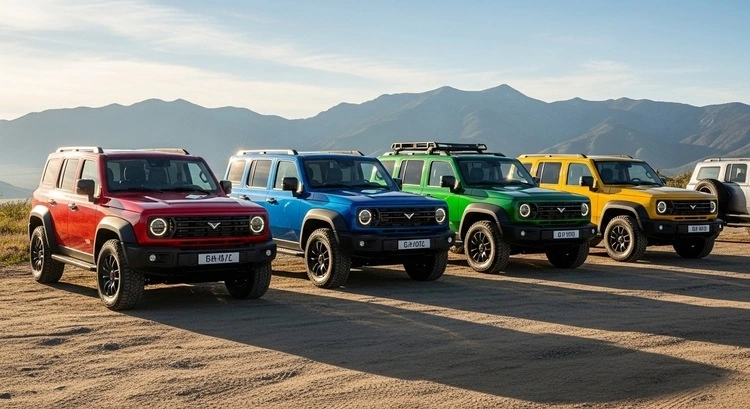
A true boxy SUV relies on straight lines, broad windows, and a tall shape. The flat roof and upright stance define this vehicle category. Unlike modern curved cars that slope downward at the back, square SUVs maintain their height from the windshield to the rear tailgate. This architectural choice maximizes interior volume and gives the vehicle a striking, powerful appearance on the road.
Why Drivers Still Love Boxy SUV Designs
The appeal goes far beyond just looks. Aggressive styling meets real-world rugged charm. Drivers enjoy the higher, upright seating position because it vastly improves forward visibility. Furthermore, the square body style visually communicates off-road capability and toughness. People like driving a vehicle that feels secure, durable, and ready for an outdoor adventure at a moment’s notice.
Case Study: The Radical Transformation of the Modern SUV
To understand this design revival, look directly at the 2024 Hyundai Santa Fe. For its fifth generation, Hyundai completely abandoned its previously sleek, curved design language. Instead, they built a highly angular, outdoor-focused utility vehicle.
This model proves that modern technology fits perfectly inside a retro shape. Hyundai introduced the “Open for More” concept, utilizing the flat rear exterior to create a massive, wide-opening liftgate. Despite the heavy, squared-off frame, the manufacturer kept efficiency high by offering advanced hybrid powertrains. They even introduced the XRT trim, adding increased ground clearance and dark chrome elements for buyers who want genuine off-road capability to match the aggressive exterior styling.
The Top 13 Boxy SUVs on the Market
Boxy SUVs deliver a perfect blend of bold design and everyday practicality. Whether you need a luxury daily driver or a dedicated trail conqueror, the market has options. Here are the top standout models available today.
1. Jeep Wrangler
The Jeep Wrangler remains the undisputed king of off-road driving. It retains its iconic square body, solid axles, and removable doors. This SUV delivers ultimate trail capability and holds an exceptionally high resale value on the used car market.
2. Ford Bronco
Ford brought back the Bronco with a heavy focus on retro styling and modern terrain management. It features advanced driving modes specifically designed to handle sand, snow, and deep mud. The Bronco perfectly bridges the gap between daily driving comfort and intense adventure readiness.
3. Mercedes-Benz G-Class
The Mercedes-Benz G-Class, or G-Wagon, wraps handcrafted luxury inside a tough, military-inspired square body. Backed by high-performance AMG engine options, this SUV is a global status symbol. It offers high-end interior comfort alongside serious off-road engineering.
4. Toyota Land Cruiser
Families and explorers trust the Toyota Land Cruiser for its global toughness and long-term reliability. Its high, boxy appearance houses state-of-the-art four-wheel-drive systems. It remains one of the most durable and well-constructed vehicles ever made.
5. Land Rover Defender
The Land Rover Defender balances rich British heritage with modern sophistication. It features an incredibly capable air suspension system and high-grade traction controls. The cabin offers a sensible, premium design built to withstand mud and dirt.
6. Lexus GX
The Lexus GX utilizes a traditional body-on-frame construction, making it excellent for heavy towing. Despite its rugged underpinnings, it delivers an incredibly smooth ride quality. Buyers choose the GX for its bulletproof reliability and whisper-quiet luxury interior.
7. Kia Soul
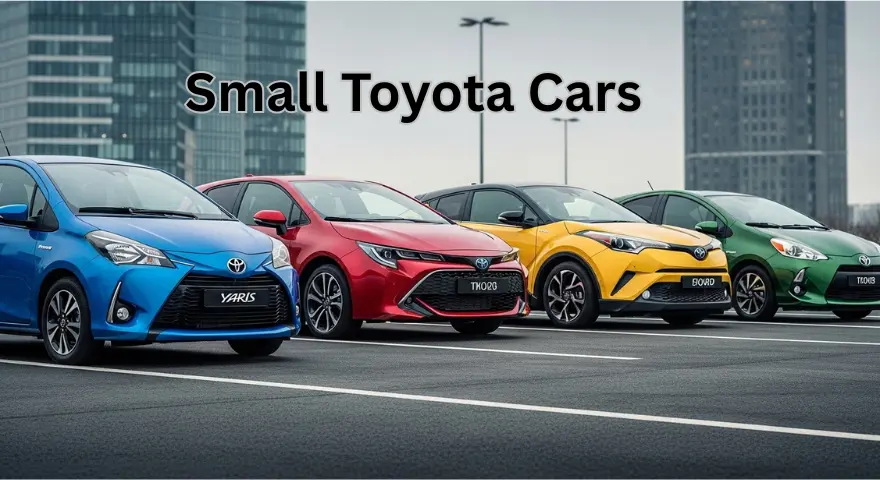
The Kia Soul proves that boxy designs work perfectly for subcompact city driving. The square roofline makes the cabin surprisingly roomy, offering budget-friendly passenger space. When buyers need maximum utility in tight urban parking spaces, they often compare the spacious Kia Soul directly against small Toyota cars to see which offers the best interior volume for the footprint.
8. Honda Element
The Honda Element completely changed how we look at interior space. It featured a completely square body, easy-to-clean laminated floors, and wide-opening doors. Owners still praise its legendary versatility, making it a favorite for hauling camping gear and large pets.
9. Nissan Xterra
Nissan built the Xterra specifically for active outdoor lifestyles. It used a strong ladder frame, built-in roof racks, and dependable four-wheel drive. This bold, squared design remains a popular choice for budget-conscious adventurers looking for a reliable used car.
10. Chevrolet Tahoe
When you need massive space, the Chevrolet Tahoe delivers. Its huge boxy frame houses three spacious seating rows, making it the perfect family hauler for long road trips. It also boasts a heavy-duty towing capacity for pulling boats and travel trailers.
11. Suzuki Jimny
The Suzuki Jimny proves that true trail strength can fit in a tiny package. It uses solid axles and a tough ladder frame chassis. Drivers love its micro-sized footprint, which makes navigating tight dirt trails and narrow city streets incredibly easy.
12. Toyota 4Runner
The Toyota 4Runner combines a traditional boxy shape with incredibly sturdy off-road components. It features locking rear differentials and a highly capable multi-terrain driving system. Buyers actively choose the 4Runner for its long-lasting durability and notoriously high resale value.
13. Toyota FJ Cruiser
Toyota created a modern classic with the FJ Cruiser. It features a quirky retro design, unique rear suicide doors, and legendary off-road reliability. Today, it commands a massive enthusiast following and holds incredible value on the used car market.
Key Benefits of Choosing a Boxy SUV
Drivers pick these vehicles for practical reasons, not just for their striking looks. The square design inherently solves common daily driving problems and offers clear advantages over modern crossovers.

Spacious Interiors and Practical Cargo Access
A squared exterior allows engineers to maximize headroom and legroom inside the cabin. The flat rear roofline also creates a wide, tall tailgate opening. This prevents wasted space and makes loading boxes, groceries, or bulky outdoor gear incredibly easy.
Better Road Visibility
Boxy SUVs force an upright seating position. The large windows and flat hood design help you judge distance accurately. This clear field of vision builds confidence when you navigate crowded city streets or busy highways.
Strong Off-Road Capability and Towing
Many boxy models use strong body-on-frame construction. This setup supports higher ground clearance, allowing the vehicle to pass over rocks safely. Furthermore, powerful engine options give you the torque needed to tow heavy trailers without straining the transmission.
Things to Consider Before Making a Final Choice
While boxy SUVs offer great utility, they are not perfect for everyone. You need to carefully weigh a few practical details before making your final vehicle decision.
Fuel Economy vs. Aerodynamics
Square shapes fight the wind instead of slicing through it. This lack of aerodynamics usually means larger engines and worse fuel economy. You will likely spend more money at the gas pump compared to driving a streamlined crossover.
Daily Driving Comfort and Parking
SUVs built on a truck frame handle rough terrain well, but they often feel bumpy on paved roads. Furthermore, their broad shoulders and tall roofs make parallel parking in tight city spots a real challenge. Always test drive the vehicle to check the cabin noise and ride comfort.
Maintenance, Tech, and Resale Value
Big SUVs require larger, more expensive tires and replacement parts. However, this higher maintenance cost is usually offset by strong long-term investment potential. Rugged, boxy SUVs hold their resale value much better than standard rounded crossovers.
Final Thoughts: Redefining the Modern SUV
Boxy SUVs successfully combine everyday practicality with a bold, rugged style. While you might sacrifice some fuel efficiency and parking ease, the massive interior space, better visibility, and unmatched durability make them a brilliant choice. They offer a powerful driving experience that smoothly curved cars simply cannot match.
FAQs
Are Boxy SUVs Coming Back?
Yes, they are making a massive comeback. Consumers are tired of uniform, rounded designs and want vehicles that look tough, feel bold, and offer real-world utility.
What Are the Cons of a Boxy SUV?
The main drawbacks are poor aerodynamics and higher fuel consumption. They also tend to have a rougher, bumpier ride quality compared to streamlined, car-based crossovers.
What Is the Number 1 Selling SUV in America?
The Toyota RAV4 consistently holds the title as the highest-selling SUV in America. Industry experts predict it will continue leading the market through 2026 due to its perfect blend of daily reliability and fuel efficiency.