Daily commutes rarely feel glamorous, yet the rubber meets the road quietly every trip behind the wheel. Most drivers underestimate how much tire quality affects safety, comfort, and the long-term health of their vehicle. Premium options often carry a higher sticker price, but the performance gains reach far beyond showroom appeal. This article explains why spending more on quality rubber pays off for everyday drivers who depend on their cars.
The Real Cost of Cheap Tires
Budget tires can look appealing on paper, yet their hidden costs stack up fast. Lower-grade compounds wear down quickly, pushing replacements every 25,000 to 35,000 miles instead of 60,000 or more. Fuel economy also takes a hit because cheaper rubber produces higher rolling resistance, shaving mileage by roughly 3 to 5 percent. Drivers weighing reputable choices often compare options like Michelin tires, which regularly score near the top in longevity and wet-weather performance tests.
Safety is the bigger worry. Independent testing by Consumer Reports has found that stopping distances on wet pavement can differ by as much as 30 feet between budget and premium sets. That gap can be the difference between a near miss and a serious crash.
Why Premium Tires Deliver Better Value
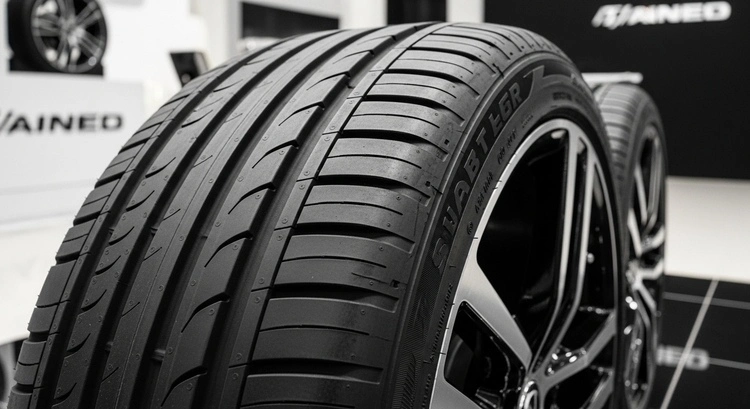
Top manufacturers pour money into research, compound engineering, and tread pattern design. Those investments translate into measurable gains on the road. Spending a little more upfront usually means fewer replacements, stronger fuel economy, and added peace of mind when weather or road hazards appear without warning.
Longer Tread Life
High-end rubber relies on silica-infused compounds that resist heat buildup and uneven wear. Many premium models include treadwear warranties stretching from 60,000 to 80,000 miles. Across a decade of driving, that extra lifespan can cover the original price difference on its own.
Superior Wet and Dry Grip
Engineers at leading brands refine tread patterns through computer modeling and on-track validation. The payoff shows up as shorter braking distances and crisper cornering response. For daily commuters, that means quicker reactions during sudden lane changes or soaked morning drives.
Safety Benefits That Matter Every Day
Tires are the only contact point between a vehicle and the pavement. Each one touches the ground on a patch about the size of an adult hand. That small footprint handles steering, braking, and acceleration for a car weighing 3,000 to 4,500 pounds.
Premium options lower hydroplaning risk through deeper grooves and well-placed water channels. They also hold grip as temperatures fall. Research suggests quality all-season tires can shorten winter braking distances by 15 to 20 percent compared with economy options.
Reduced Blowout Risk
Stronger sidewall construction stands up to punctures and impact damage. Heavy-duty plies shield against curb strikes and potholes, both common on aging city streets. Fewer blowouts translate into fewer roadside emergencies and smaller repair bills over time.
Comfort and Quietness on Long Drives
Road noise can turn a pleasant commute into a draining chore. Premium tires use acoustic foam liners and staggered tread blocks that soak up vibration. Cabin noise falls by 2 to 4 decibels, which feels clearly quieter from the driver’s seat.
Smoother rides also cut driver fatigue on longer trips. Less buzz through the steering wheel supports better focus, while softer impacts protect suspension parts over the years. Shock absorbers and bushings last longer once the rubber absorbs more of the punishment first.
Fuel Efficiency and Environmental Impact
Rolling resistance has a direct effect on how hard an engine works. Premium rubber uses refined compounds that lower that resistance without giving up grip. A typical sedan can save 20 to 40 gallons of fuel each year by moving from economy to higher-quality sets.
Fewer replacements also cut waste. The Environmental Protection Agency estimates that around 280 million scrap tires enter waste streams every year across the United States. Longer-lasting products ease that load while trimming household expenses at the pump.
Conclusion
Putting money into premium tires makes practical sense for anyone who drives regularly. Better compounds, smarter engineering, and longer warranties combine to deliver real savings across the ownership cycle. Beyond dollars, the safety and comfort gains protect drivers and passengers on every outing. Quality rubber is not a luxury buy; it is a thoughtful choice that rewards careful shoppers with years of dependable performance and genuine peace of mind.